

When the sun sets earlier, the lighting around your home or business suddenly becomes a lot more noticeable. A dark walkway, an unlit driveway, or a patio that disappears after dinner can make otherwise great spaces less inviting.
Outdoor lighting isn’t only about holiday decorations. Done thoughtfully, it can guide guests to the front door, make steps easier to see, highlight the character of a home, and help outdoor gathering spaces stay useful after dark. Across Summerville and the Lowcountry, there’s plenty of opportunity to put lighting to work without turning the whole yard into a spotlight.
Start With What Needs to Be Seen
Before choosing a fixture, walk around your property after sunset. Where do you need more visibility? Where do people naturally enter, park, gather, or walk?
Five places worth evaluating: Entryways, walkways, patios, landscape features, and work areas.
- Front entrances and porches: Make doorways welcoming and help visitors see steps, locks, and house numbers.
- Paths and driveways: Light changes in elevation, turns, and frequently used routes without creating harsh glare.
- Patios and decks: Use comfortable, layered lighting so outdoor conversations don’t have to end at dusk.
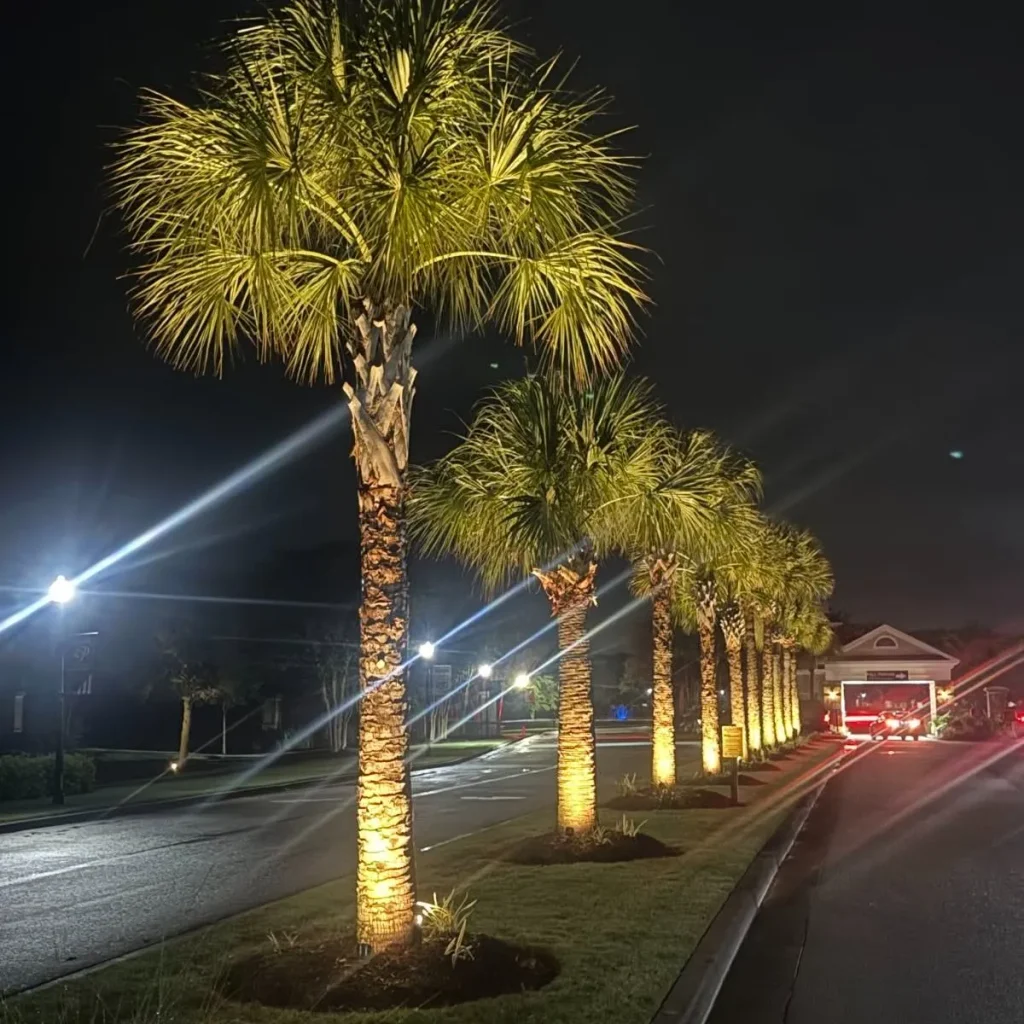
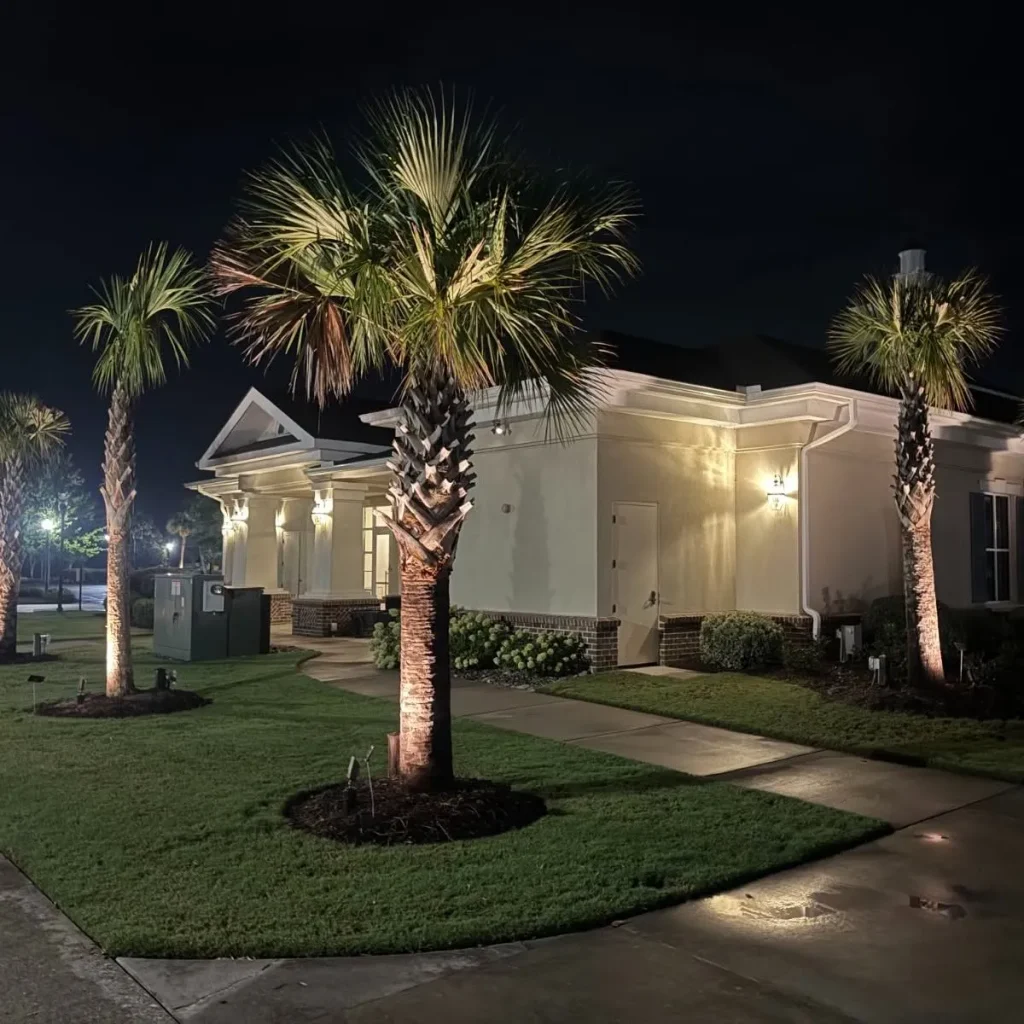
- Landscaping and architecture: Highlight palms, trees, columns, and other details with carefully aimed accent lighting.
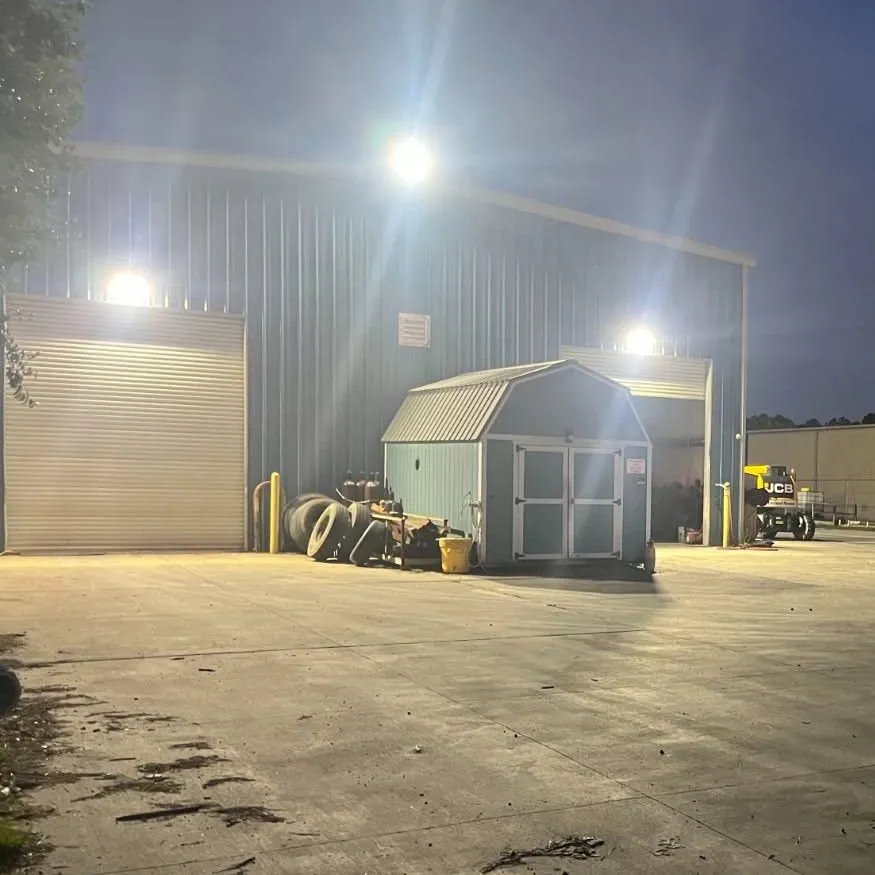
- Work areas and outbuildings: Provide practical illumination where visibility matters for access and everyday tasks.
The best result usually comes from placing light where it serves a purpose—not simply choosing the brightest fixtures available.
Think in Layers, Not Floodlights
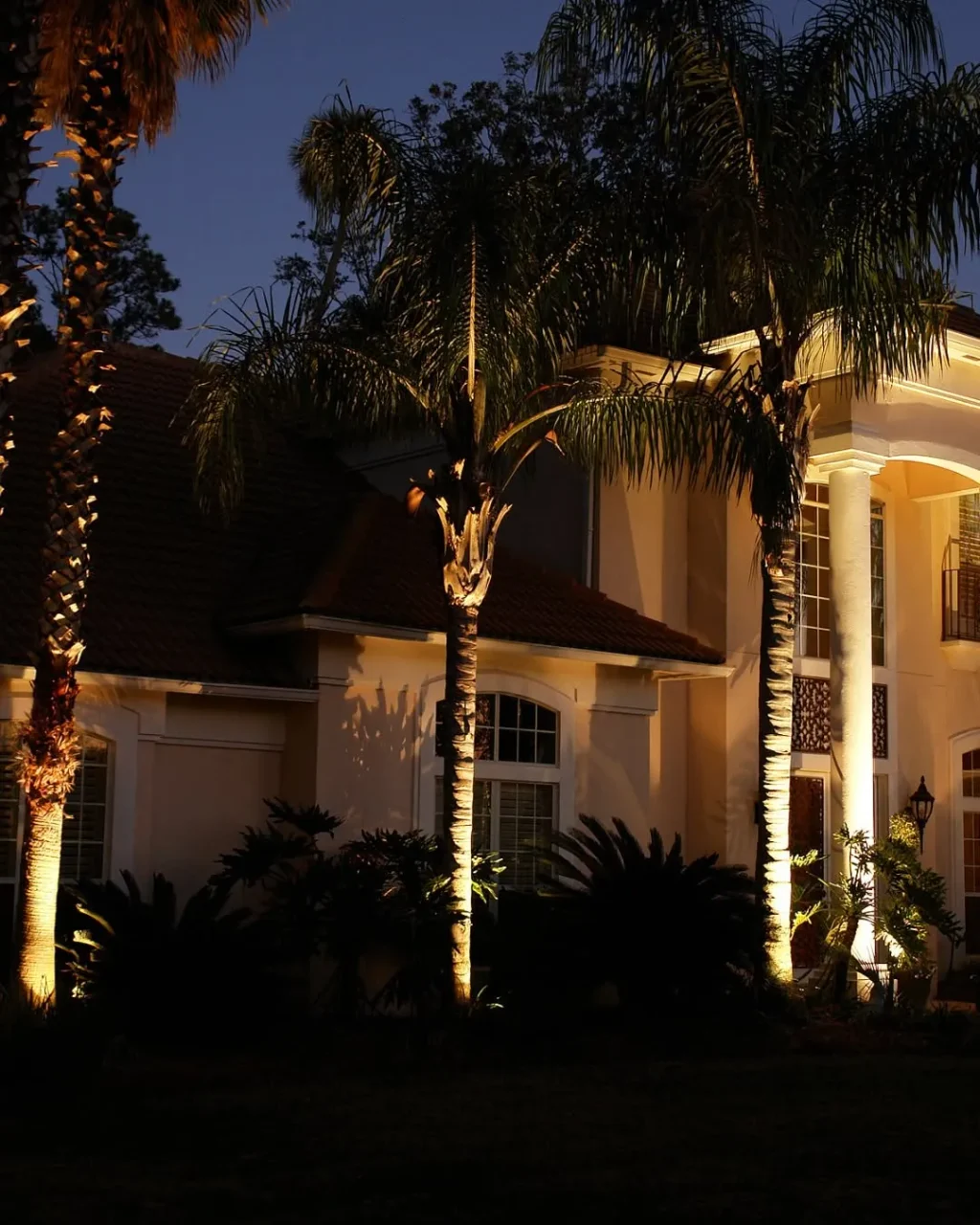
Good outdoor lighting often combines three jobs: task lighting where people need to see, accent lighting to showcase features, and ambient lighting to make a space feel comfortable. A front porch might need a dependable entry light, while a nearby palm tree benefits from a softer, carefully directed fixture.
Fixture placement matters as much as brightness. Aim lights away from windows and neighboring homes where practical, and consider shielded fixtures to limit glare and unnecessary light spill. LED options can also provide long service life and lower energy use than many older lighting technologies.
Smart Controls Make Everyday Lighting Easier
Outdoor lighting doesn’t have to depend on someone remembering a switch every evening. Depending on the setup, timers, dusk-to-dawn sensors, motion activation, and smart controls can turn lights on when they’re useful and off when they’re not.
A motion-activated light may be helpful near a garage or side entrance. A timer can keep landscape lighting on for evening hours without running overnight. For some properties, separate controls for pathways, decorative lighting, and work areas make more sense than one switch for everything.
When a Permanent Installation Makes More Sense
Temporary holiday decorations and permanent outdoor lighting aren’t the same kind of project. If a fixture will stay in place year-round, the electrical equipment must be suitable for its location and exposure to rain, moisture, and other outdoor conditions.
Depending on the project and applicable code, an installation may need appropriately rated fixtures, wiring methods, weatherproof boxes and covers, and GFCI protection. An electrician can also evaluate the existing circuit, switching options, and whether additional electrical capacity is needed.
ELECTRICAL SAFETY NOTE
One thing to avoid: treating an ordinary extension cord as permanent outdoor wiring. For a lasting setup, have a qualified electrical professional evaluate the right solution.
Don’t Forget Businesses and Shared Spaces
Outdoor lighting isn’t just a residential upgrade. Shops, offices, community entrances, and other commercial properties benefit from clearly illuminated approaches, pedestrian routes, and building exteriors. For a business, the right balance is practical visibility with a welcoming appearance—not unnecessary brightness.
Yes, Seasonal Lighting Still Has Its Place
And because it’s October, we can’t ignore the fun side of lighting. Colorful Halloween displays show just how dramatically a few well-placed lights can change the mood of a yard. But a seasonal display also makes a useful point: lighting works best when you think about fixture placement, outdoor-rated equipment, and where people will be walking.
Keep decorations and temporary cords clear of walkways, use equipment rated for the intended outdoor location, and follow manufacturer instructions. When the pumpkins are packed away, permanent path and entry lighting can keep doing its job.

Plan Once, Enjoy It Year-Round
If you’re considering landscaping, a patio upgrade, a new walkway, or exterior renovations, talk about lighting early in the process. Planning before the finishing work may help avoid digging through newly completed landscaping later.
Ask about fixture placement, controls, maintenance access, and how the lighting will look from the street as well as from inside the property. A little planning now can make the difference between a few bright spots and a space that feels intentionally designed.
A Local Electrical Contractor Worth Knowing
Sievert Electrical Contractors serves Summerville and the surrounding Lowcountry with electrical services for residential and commercial customers. As a What’s Up Summerville Founding Member, Sievert also supports our mission to help neighbors discover and support local businesses.
Whether you’re considering outdoor lighting, adding electrical outlets, or planning a larger electrical improvement, a qualified local electrician can help you assess the options for your property.
WHERE TO FIND
Sievert Electrical Contractors
Residential, commercial, and light industrial electrical services. Proud What’s Up Summerville Founding Member.
Phone: (843) 906-9876
Email: contact@sievertelectrical.com
Address: 8300 Dorchester Rd, Ste B, North Charleston, SC 29418
Hours: Monday–Friday, 7:30 AM–4 PM