
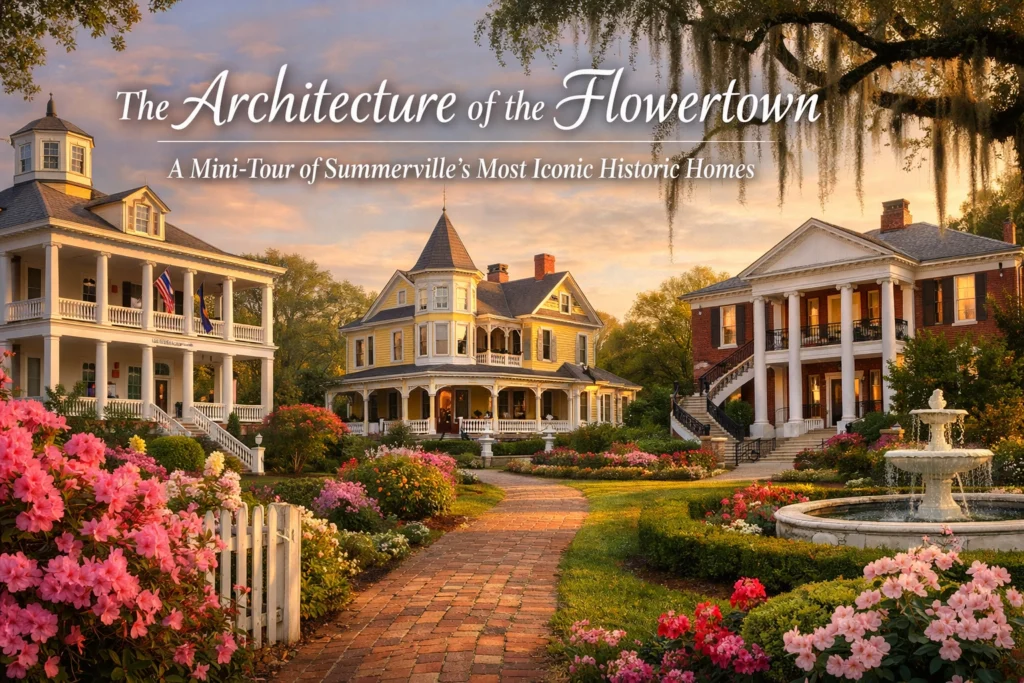
Let's be honest: most of us drive past those gorgeous historic homes on our way to grab coffee and think, "I should really know more about those." Well, consider this your permission slip to slow down, look up, and fall in love with Summerville's architectural history all over again.
With around 700 historic structures dotting our tree-lined streets, 70% of them built before World War I, Summerville isn't just pretty. It's a living museum of Victorian elegance, Colonial Revival grandeur, and Greek Revival charm. And the best part? You don't need a museum ticket. Just some comfortable shoes and a willingness to gawk at houses that are way cooler than yours (no offense).
Start Your Stroll at Azalea Park
The Sue Sanders Memorial Walking Tour kicks off at Azalea Park for good reason: it's the perfect launching pad into our historic district. Named after a local historian who spent decades preserving Summerville's stories, this self-guided tour winds through neighborhoods where every porch has a tale to tell and every widow's walk has witnessed a century of sunrises.
Grab a map from the Summerville Visitors Center (or just follow your nose toward the smell of old money and magnolias), and let's get into the good stuff.
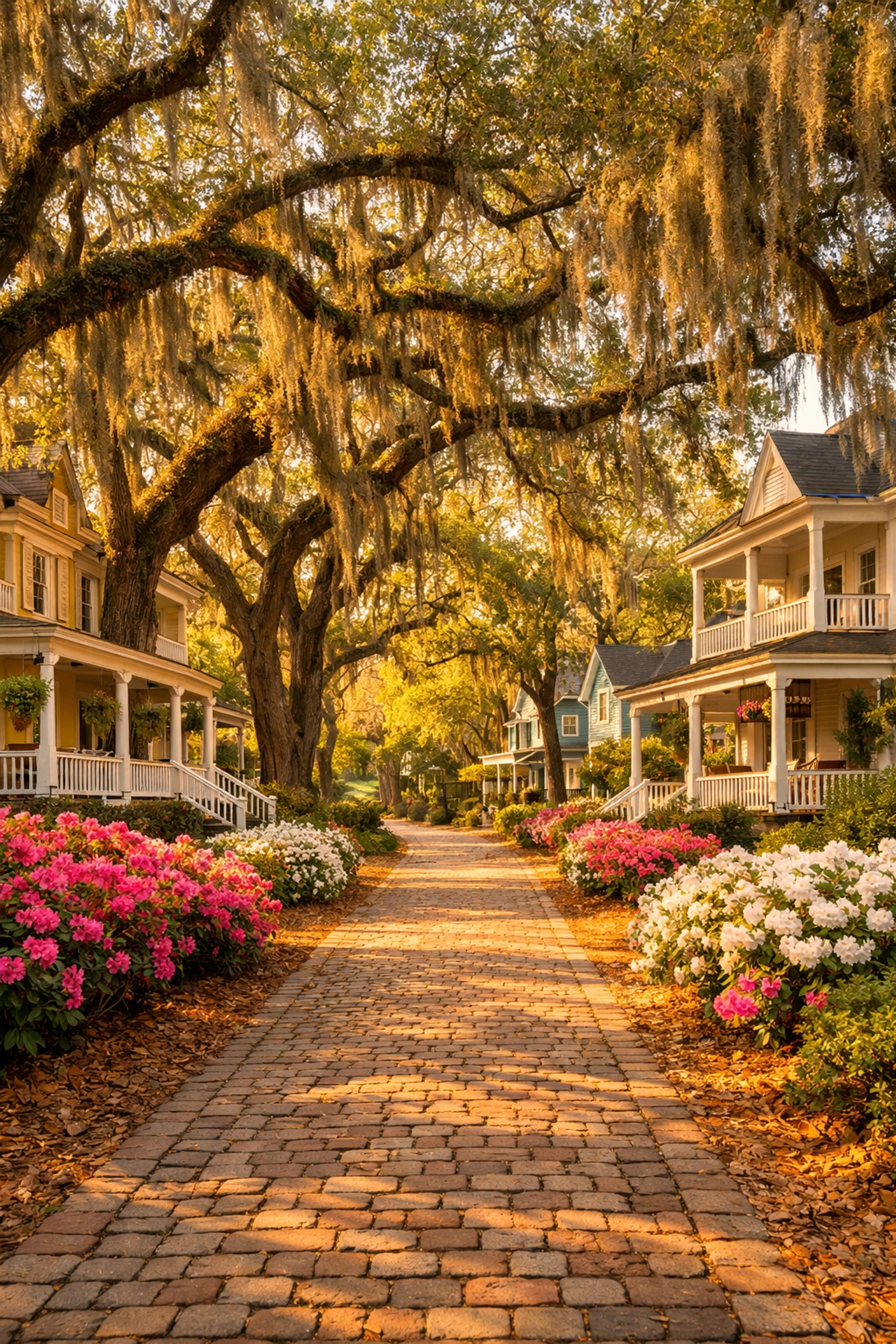
Stop One: The Gelzer Brothers House (c. 1819)
We're starting with the granddaddy of them all. Built around 1819, the Gelzer Brothers House is one of the oldest surviving structures in Summerville, meaning it was standing here before the town was officially a town. Let that sink in while you admire the classic raised cottage design, a practical architectural choice in the Lowcountry where flooding and humidity are forever uninvited houseguests.
The raised foundation wasn't just about keeping the floodwaters at bay; it also allowed air to circulate beneath the home, keeping things cooler in the brutal South Carolina summers. No central air? No problem when you're working with 200-year-old climate control ingenuity.
The Gelzer Brothers House embodies that early Colonial simplicity, symmetrical, understated, and built to last through hurricanes, wars, and whatever else the 19th century could throw at it.
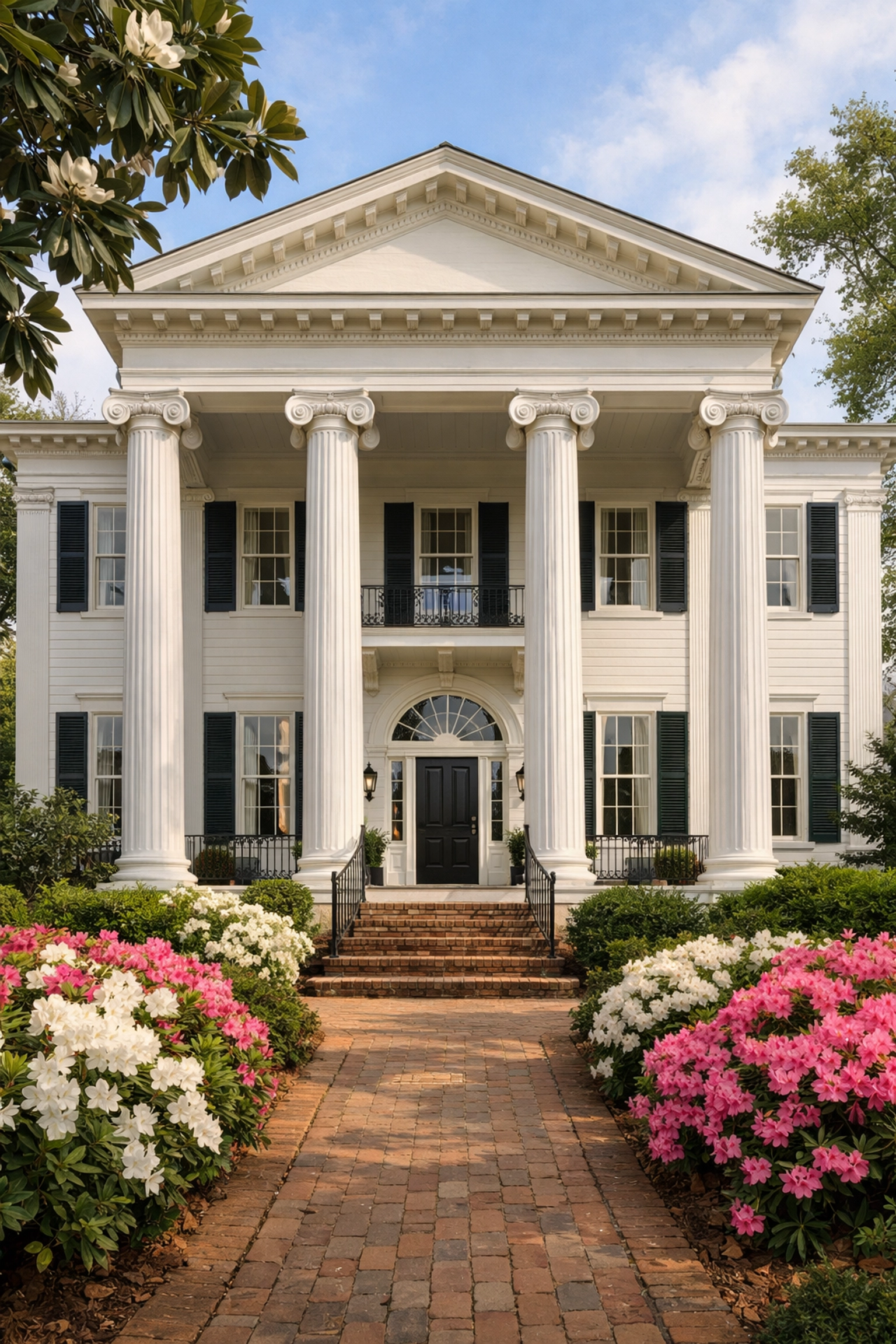
Stop Two: The Brailsford-Browning House (c. 1830)
Just down the street (because everything in Summerville is "just down the street"), you'll find the Brailsford-Browning House, dating back to around 1830. This one's a stunner, showcasing Greek Revival influences that were all the rage after the South Carolina Canal and Railroad Company laid out "new town" Summerville in 1832.
Look for those clean lines, the symmetrical façade, and columns that whisper, "We read a lot of classical literature and we want you to know it." Greek Revival architecture became wildly popular in the South during this era, symbolizing democracy, education, and, let's be real, a certain level of sophisticated flex.
The Brailsford-Browning House represents that transitional period when Summerville was evolving from a scattering of rural retreats into a planned community with aspirations. And those aspirations? They had columns.
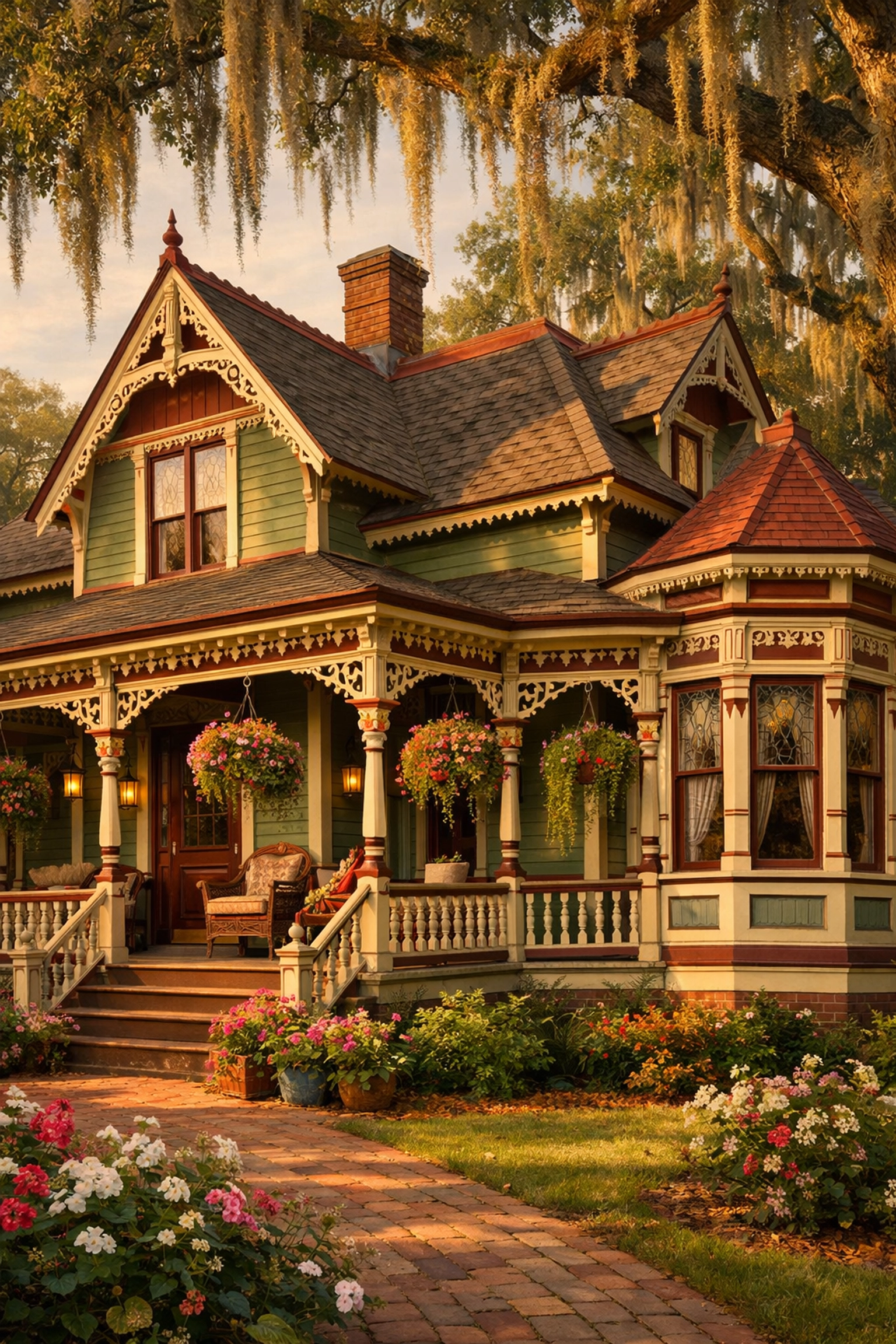
Stop Three: The Middleton-Minott Cottage (c. 1886)
Now we're jumping ahead to 1886 and entering Summerville's true golden age. The Middleton-Minott Cottage is a textbook example of the Victorian charm that defines so much of our downtown.
By the 1880s, Summerville had been officially designated as a health resort (in 1887, to be exact), drawing wealthy Northerners south for the mild winters and the supposedly curative pine-scented air. Spoiler alert: it worked. People came, fell in love, and started building gorgeous winter retreats that would make HGTV weep with envy.
The Middleton-Minott Cottage features everything you'd expect from the Victorian era: intricate woodwork, wraparound porches perfect for sipping sweet tea and judging passersby, and decorative details that scream, "We hired a very good carpenter and we're not afraid to show it." Look closely and you'll spot the gingerbread trim, the asymmetrical roofline, and bay windows that let in all that famous Summerville light.
This era, between the Civil War and World War I, was when Summerville truly became "Flowertown," and homes like this one are the reason why.
Stop Four: The Oliver House (c. 1888)
Speaking of the Victorian heyday, meet the Oliver House (circa 1888), another gem from that magical late-1800s period when Summerville was the place to winter if you had taste and a decent trust fund.
The Oliver House leans into the Queen Anne style, a subset of Victorian architecture known for being, well, extra in the best possible way. We're talking turrets (or at least turret-adjacent features), multi-gabled roofs, and a color palette that wasn't afraid to get a little wild. Queen Anne homes rejected the symmetry of earlier styles in favor of organized chaos, because why have one shape of window when you could have five?
These homes were designed to be noticed, admired, and Instagrammed (if Instagram had existed in 1888, which it tragically did not). The Oliver House perfectly captures that "look at me" energy while still maintaining the Southern grace and hospitality that defines Summerville architecture.
The Golden Age and Beyond
By the time World War I rolled around, Summerville had cemented its reputation as a winter haven for the wealthy and a year-round paradise for those smart enough to stay. The architectural legacy of that "Golden Age" is what you're walking through today: block after block of meticulously preserved homes that reflect Greek Revival restraint, Victorian exuberance, and Colonial Revival nostalgia all coexisting in perfect harmony.
What unifies all these different styles? A shared sensitivity to the natural landscape. Summerville's founders and builders understood that the real star of the show was the setting itself, the towering pines, the flowering azaleas, the Spanish moss that drapes over everything like nature's own decorative trim. The architecture was designed to complement and enhance that natural beauty, not compete with it.
Beyond the Big Names
While the Gelzer, Brailsford-Browning, Middleton-Minott, and Oliver houses are headliners, don't sleep on the hundreds of other historic structures tucked along our streets. Many of them are private residences (so please admire respectfully from the sidewalk), but they each tell a piece of Summerville's story.
You'll spot raised cottages designed to catch every breeze, Colonial Revival mansions that harken back to pre-Revolutionary elegance, and turn-of-the-century bungalows that prove good things come in small, charming packages. The beauty of this walking tour is that you can wander at your own pace, take as many photos as your phone storage allows, and discover your own favorites.
Mark Your Calendar: Historic Homes & Gardens Tour
If this mini-tour has you craving more, you're in luck. The annual Summerville Historic Homes & Gardens Tour is happening March 5-7, 2026, and it's your golden ticket inside some of these architectural treasures. Hosted by the Summerville Dorchester Museum and the Summerville Garden Club, this tour opens up private homes and gardens that are usually off-limits to gawkers like us.
It's a chance to see how these historic spaces have been lovingly maintained and modernized (yes, they have indoor plumbing now), meet the homeowners who are stewards of Summerville's history, and get design inspiration for your own considerably-less-historic dwelling.
Tickets usually sell out, so keep an eye on the What's Up Summerville events calendar for details as we get closer to March.
Fuel Up After Your Walk
After all that walking and gawking, you're going to need sustenance. Luckily, downtown Summerville is packed with spots to refuel. Whether you're craving a proper sit-down lunch, a quick coffee pick-me-up, or something sweet to celebrate your newfound appreciation for Victorian gingerbread trim, we've got you covered.
Check out our local business directory for the best restaurants, cafes, and bakeries within walking distance of the historic district. Because nothing pairs better with architectural tourism than a good sandwich and a cold beverage.
Why This Matters
Sure, it's fun to admire pretty houses. But these structures represent something bigger: a community that values its past, invests in preservation, and understands that historic character is worth protecting. Every restored porch, every preserved turret, every carefully maintained garden is a commitment to keeping Summerville Summerville: not just another suburban sprawl that could be Anywhere, USA.
When you walk these streets, you're literally following in the footsteps of the people who built this town, the winter visitors who fell in love with it, and the generations of locals who've called it home. That's pretty cool, when you think about it.
So lace up those walking shoes, charge your phone (for the photos, obviously), and go explore the architectural heart of Flowertown. These homes have been standing for over a century. The least we can do is stop and appreciate them.
And who knows? Maybe you'll discover your dream house is a 140-year-old Victorian with a wraparound porch and questionable plumbing. Stranger things have happened in Summerville.